If your therapy practice already uses a booking tool or intake platform, it is easy to assume that covers your website needs.
After all, clients can schedule, right?
Not quite. A booking app and a website do two very different jobs. One helps with logistics. The other helps a prospective client decide whether they trust your practice enough to reach out in the first place.
That is why most therapy practices still need both.
Your Website Builds Trust Before the Booking Step
A booking app is great at handling scheduling. But it usually is not built to create a full first impression.
A website explains who you help
Your website gives you space to clearly describe your specialties, approach, and ideal fit. That helps the right prospective clients recognize themselves faster.
A website makes your practice feel established
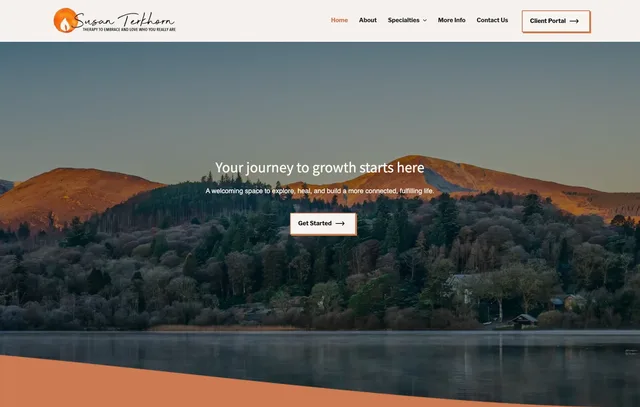
When someone lands on a calm, professional site with clear next steps, the practice feels more credible. A booking tool alone rarely creates that same level of trust.
A website supports referrals better
Even if someone hears about you through a friend, they often want to look you up before booking. Your website is where that referral turns into a stronger first impression.
Your Booking App Handles a Different Job
That does not mean booking tools are optional. They solve a real problem too.
Scheduling and availability
A booking app helps people request or schedule time without a lot of email back and forth. That makes the process easier for both your practice and the client.
Forms and intake flow
Depending on the platform, it may also help with forms, reminders, availability rules, or client communication. Those features matter once someone is ready to move forward.
Convenience after trust is already there
That is the key difference. A booking tool usually works best after someone already feels confident about your practice. Your website helps create that confidence first.
Why Relying on a Booking Tool Alone Falls Short
If your entire online presence points people straight into a scheduling platform, you lose a lot of context that helps clients feel comfortable.
- You have less room to explain specialties
- You have less control over the first impression
- Your practice can feel more transactional than personal
- Referral and Google traffic have nowhere strong to land
For therapy practices, that is a real issue. People are not only looking for a time slot. They are looking for a provider who feels like a fit.
How the Two Work Best Together
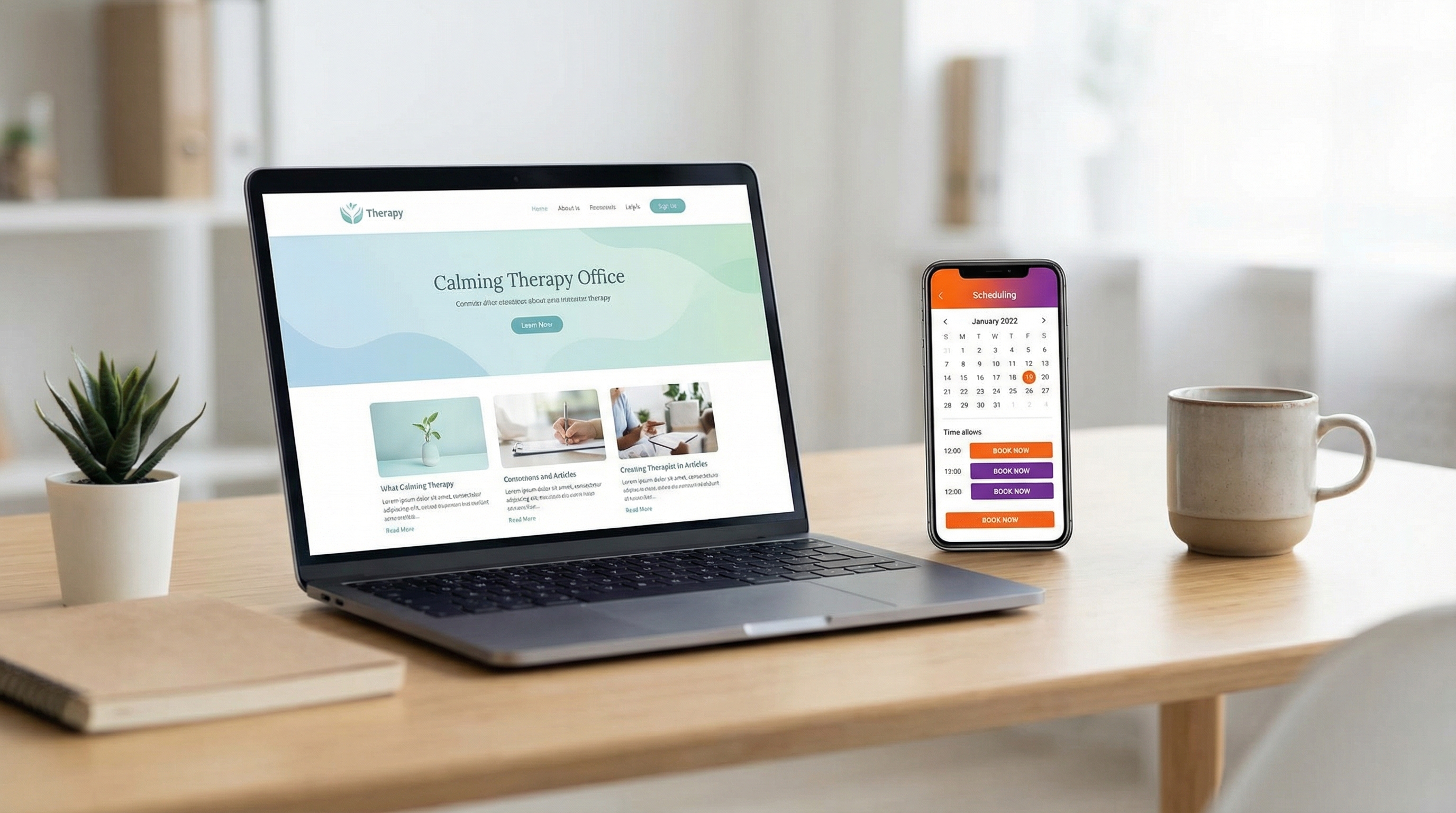
The strongest setup is simple: let your website do the trust-building, and let your booking tool handle the logistics.
Your homepage, about page, specialties, and contact flow should make the practice feel clear and credible. Then your booking tool can support the next step once the visitor is ready.
That way each tool is doing the job it is actually best at.
The Bottom Line
A booking app is useful. But it is not a full replacement for a website.
If you want your therapy practice to look credible, convert referrals better, and help the right prospective clients feel comfortable reaching out, you still need both.
If you want a custom website for your therapy practice, view PremPage pricing here.